

How Silk City creates value in Paterson real estate
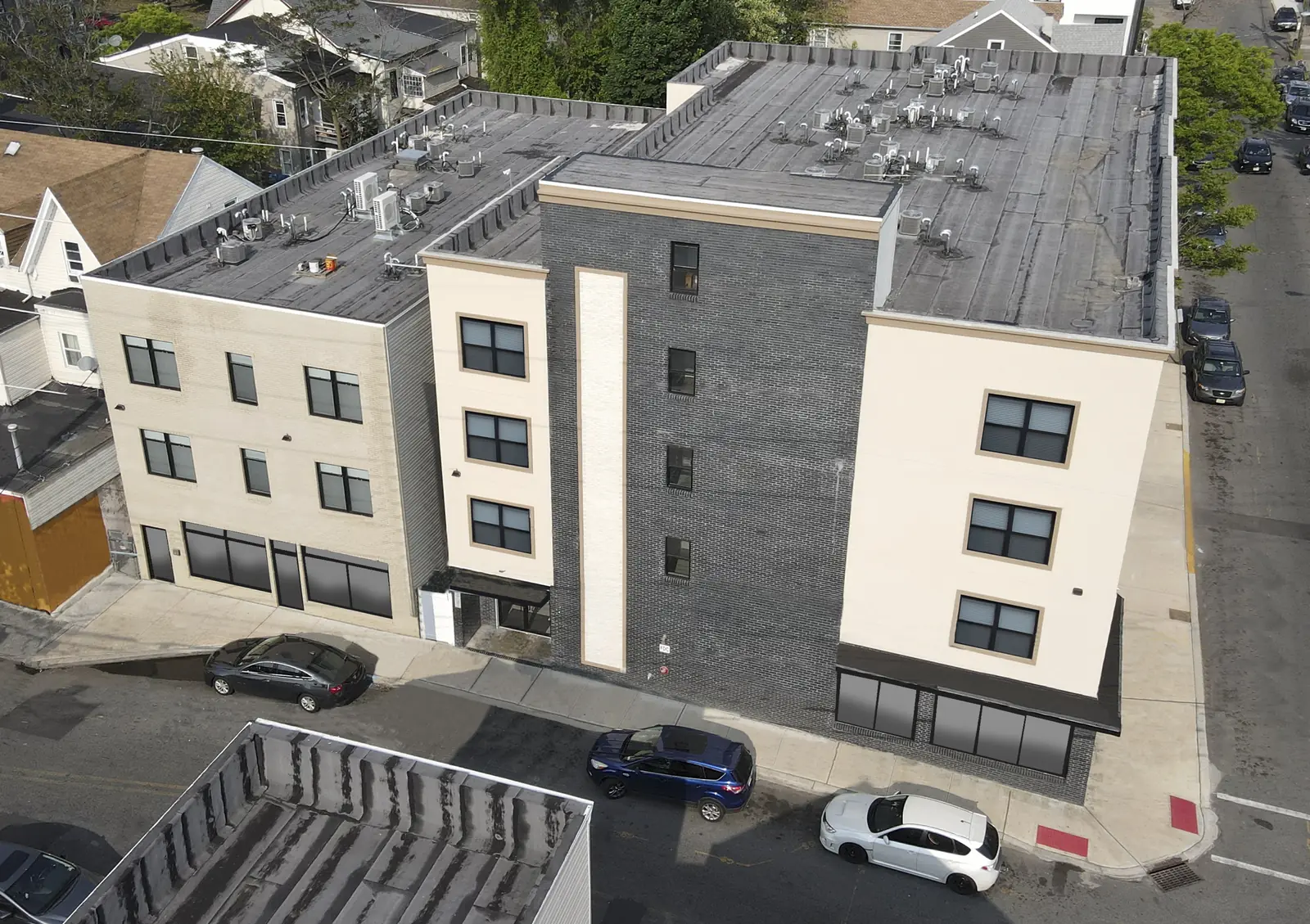
Silk City Capital seeks to create value in four ways: securing approvals, building new, improving existing buildings, and renovating homes. Each one adds value at a different stage of a property's life, and a single fund can carry a site through all of them. The clearest way to see how they connect is to follow one lot from empty ground to finished homes.
Start with one lot
Picture a vacant lot in Paterson zoned for a two-family home. Under the ward's redevelopment plan, the same lot can hold more, so the partners secure approval for a small apartment building instead. They build it, lease it up, and hold it for rent. That's three stages in one project: entitlements, ground-up construction, and a stabilized building that produces income.
"That one asset will hit all three life cycles," says Surf Dinani, CEO of Veloce Capital and co-founder of Silk City Capital. "But we can also do each one individually."
That small lot runs through most of what the fund does. Larger sites move through the same stages at a bigger scale, and some stop partway. Here is each stage in turn.
Step 1: What can the lot hold?
Before anyone asks what to build, Charles Florio, CEO of Ania Management and co-founder of Silk City Capital, asks what a lot is allowed to hold.
Most Paterson lots are 25 by 100 feet. Under the city's redevelopment plans, one that holds an old two-family house may be able to take 11 studio apartments, eight apartments, or four homes for sale. Put two, three, or four lots side by side, and a building of 20 or 30 homes becomes possible.
That changes what the land is worth. Developers price land backward, a method called residual land value. They start with what the finished building will be worth, subtract the cost of building it and a margin for risk, and whatever remains is what the land can carry. Allow more homes on the same lot and that remainder grows, even though nothing on the ground has changed. On lots like these, Charles estimates the land ends up at around 10% of the finished value.
Step 2: How does a site get approved?
Ania's in-house architects design to the plan as written. Applications go to the planning board for site plan review without asking for variances on parking, density, height, or use. As Charles puts it, he is "just building to the zoning that's actually in place."
The work multiplies on a larger site. Take a 24-unit apartment building on three or four combined lots. Before construction can start, the team has to:
- assemble the adjoining lots into one buildable site;
- design the building to the ward's redevelopment plan;
- file a site plan application and present it at a public hearing before the planning board, which can approve it, approve it with conditions, or deny it, and secure any county or other agency approvals the project needs;
- secure construction financing sized to the 24 apartments the zoning already allows, and obtain building permits;
- plan for the property-tax exemption, which for a building of this size requires qualifying as a Growth Zone development entity and the assessor's approval; the exemption period begins once the final certificate of occupancy is issued.
Building to the plan doesn't remove approval risk. Surf is clear about where it sits: entitlements are "the riskiest part of the business, though we know what we could get done there."
Step 3: Do the numbers work?
The partners run the same four checks on every site:
- What does the zone allow?
- What will it cost to build?
- What will the finished homes be worth, judged by rents in the partners' own buildings nearby?
- Does an independent appraisal agree?
The third check is where years in one city pay off. A rent roll from a building they manage a few blocks away is more current, and more specific, than any regional average.
Lenders look for something related. If a site is bought on the basis of 24 apartments and those 24 apartments are already permitted by right, the loan is sized against what the rules allow today, not what the partners hope to win later. The founders say that is what gives their lenders comfort.
Step 4: Build it
Construction is where a lot becomes a building, and where most of the risk sits. Costs can climb, schedules can slip, and new homes still have to find residents or buyers. Ania's own construction team does the work, which keeps the people who designed the project close to the people building it.
Step 5: Hold or sell?
Every project is planned from the start with its exit in mind. Two examples show the difference. An apartment building, like the 24-unit example in Step 2, is typically held as a rental property for steady income. A smaller project, such as a new two-family home, is more often built to sell. Settling the path before construction begins lets the design, financing, and budget all match it.
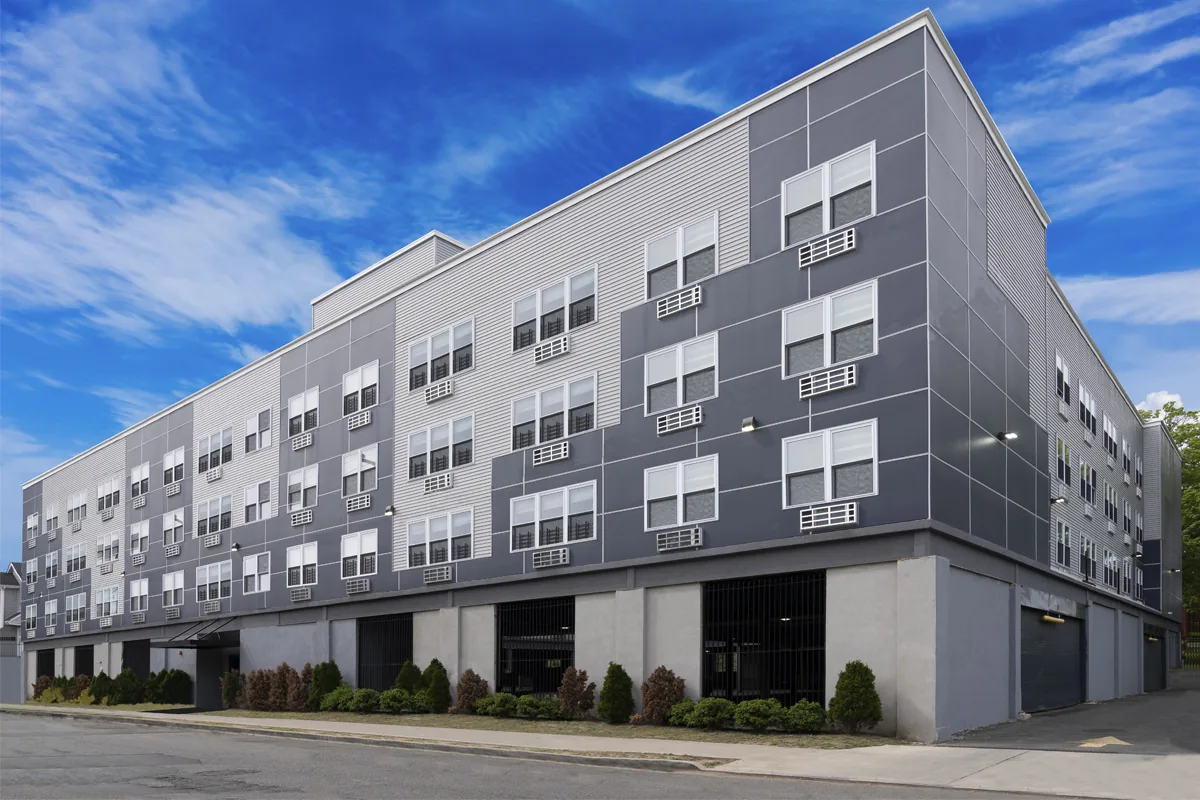
- Holding. Rental buildings are leased and run by Ania's property management team, with the aim of steady, growing income. The same work of renovating, leasing, and managing well is how the fund approaches the existing apartment and mixed-use buildings it buys.
- Selling. Many buyers of new two- to four-family homes in Paterson live in one unit and rent out the others. A five-year property-tax exemption on new one- to four-family homes helps bring their monthly payments within reach (N.J.S.A. 52:27D-489s).
Each path has its own risks. Rental income depends on operating costs, collections, and refinancing terms. Sales depend on prices and on whether buyers can get mortgages.
Why does one fund hold all four strategies?
Before Silk City, the partners raised money deal by deal, with each project held in its own entity. That model has limits. Some investors had more capital than the next deal needed and others had less, and deals couldn't be matched neatly to particular checks. An investor in a single deal is also tied to the fortunes of one property.
A single fund changes that. Investors take part in the whole cycle, from an empty lot to a building full of residents, and the partners can put capital wherever the cycle needs it. Construction, which creates value in steps, sits alongside buildings that bring in rent every month. Investors are backing the operators as much as any one property.
Ania builds and manages fund properties and may be paid for that work, which may create conflicts of interest. The Fund's disclosures describe them.
The four strategies at a glance
| Strategy | What the fund does | Where value comes from |
|---|---|---|
| Entitlements | Secures the approvals that turn land into buildable sites | A site approved for more homes is worth more |
| Ground-up construction | Builds new apartment buildings, townhomes, and mixed-use properties | Finished value above the full cost to build |
| Stabilized value-add | Acquires existing apartment and mixed-use buildings and grows their income | Higher, steadier income from a better-run building |
| Fix-and-sell | Renovates homes to sell, or to hold where it fits | A sale price or rent above the cost of land and work |
Frequently asked questions
What is a value-add real estate fund?
A value-add real estate fund buys property it can improve, whether by renovating it, managing it better, building on it, or getting it approved for more homes. It seeks to earn returns from the higher income or sale price that follows.
What are entitlements in real estate?
Entitlements are the government approvals needed to build, such as zoning and site plan approval. A site with approvals in place is usually worth more than the same land without them, because the risk of not being able to build has been reduced.
What does it mean to build by right?
Building by right means building what the zoning already permits, without a variance or a rezoning. A by-right project may still need site plan approval, but the review focuses on how the project meets the existing rules, not on whether to change them. That makes the timeline and the outcome easier to judge.
What is a stabilized property?
A stabilized property is a building that has been leased up to a normal, sustainable occupancy and produces steady income. Lenders and buyers typically value a stabilized building on that income, which is why stabilization is often the point at which a property is refinanced or sold.
See the strategy up close. If you'd like to walk through how Silk City Capital evaluates a site, from zoning to exit, schedule a call with our team.
Sources
- N.J.S.A. 52:27D-489s (P.L. 2013, c. 161, §24), Garden State Growth Zone property-tax exemption. https://law.justia.com/codes/new-jersey/2021/title-52/section-52-27d-489s/
- Lot sizes, permitted homes, land-value estimates, and quotes: interviews with Surf Dinani and Charles Florio, October–November 2026.
Lot sizes, permitted homes, land-value estimates, and project examples are the partners' own figures and are shown for illustration. Projects described were undertaken by the partners and are not Fund investments.
Track record reflects the prior experience of Veloce Capital and Ania Management and is not the performance of Silk City Capital. Past performance does not indicate future results.
Ania Management, a co-founder of Silk City Capital, may provide services to Fund investments and be compensated for them, which may create conflicts of interest. See Disclosures.